Books & Publications

Ideas about AI that deserve more space than a post.

Books written by the authors and professionals working with QualiValue to explore how artificial intelligence is changing people, work, education, and organizations.

Illustrative scene: a reader studies a book in a quiet room beside a window.

Our editorial approach

Understanding change instead of chasing the latest tool.

Writing is part of how we work. It helps organize technological change, connect research with practice, and make decisions affecting companies, people, and society more accessible.

This collection brings together publications that treat AI neither as a passing trend nor as a catalogue of tools, but as a transformation that must be understood and governed.

Publications

Our books on artificial intelligence

Each volume explores a different aspect of the transformation, with a perspective designed to remain useful beyond the news cycle.

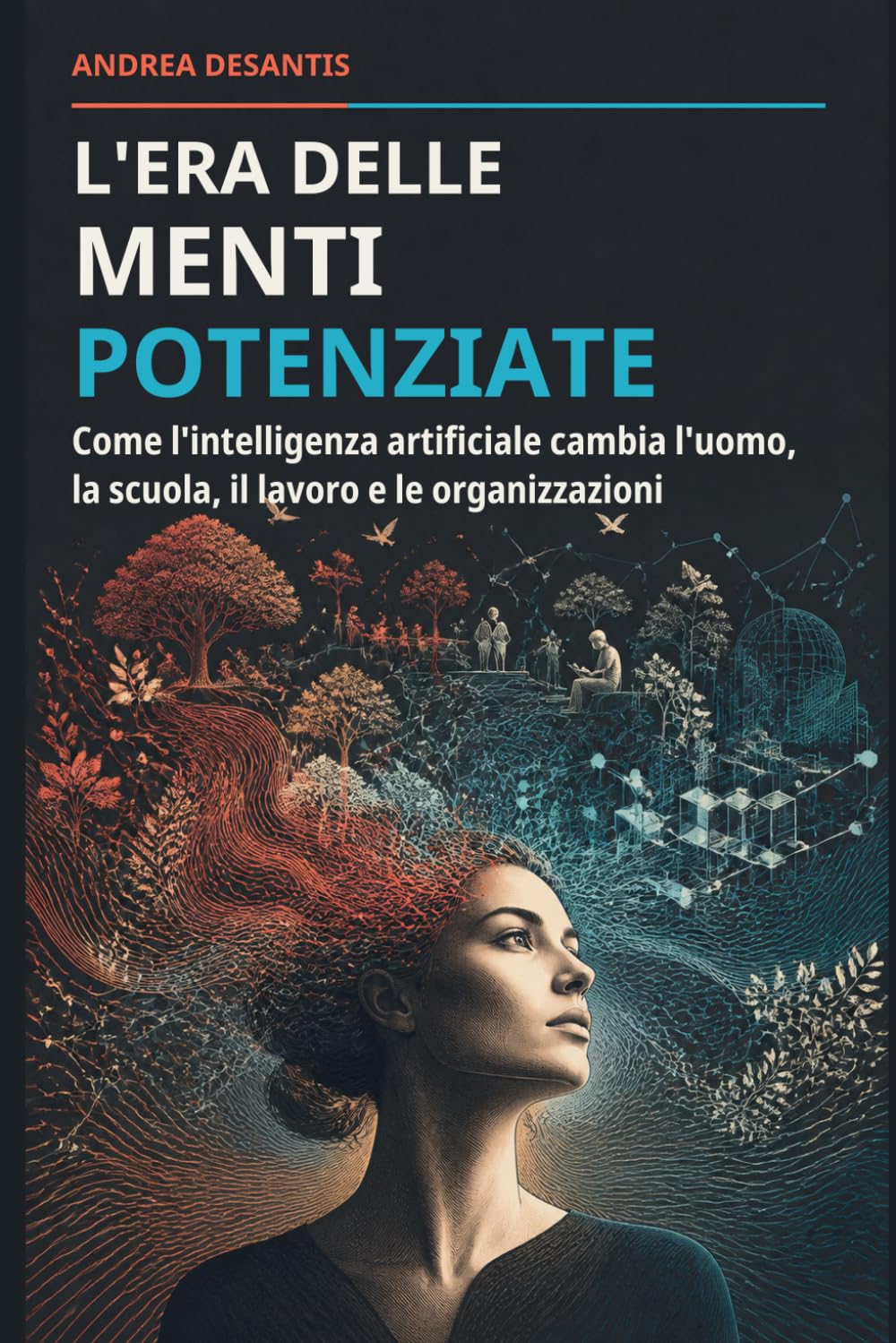
Cover of L’era delle menti potenziate, Italian edition.
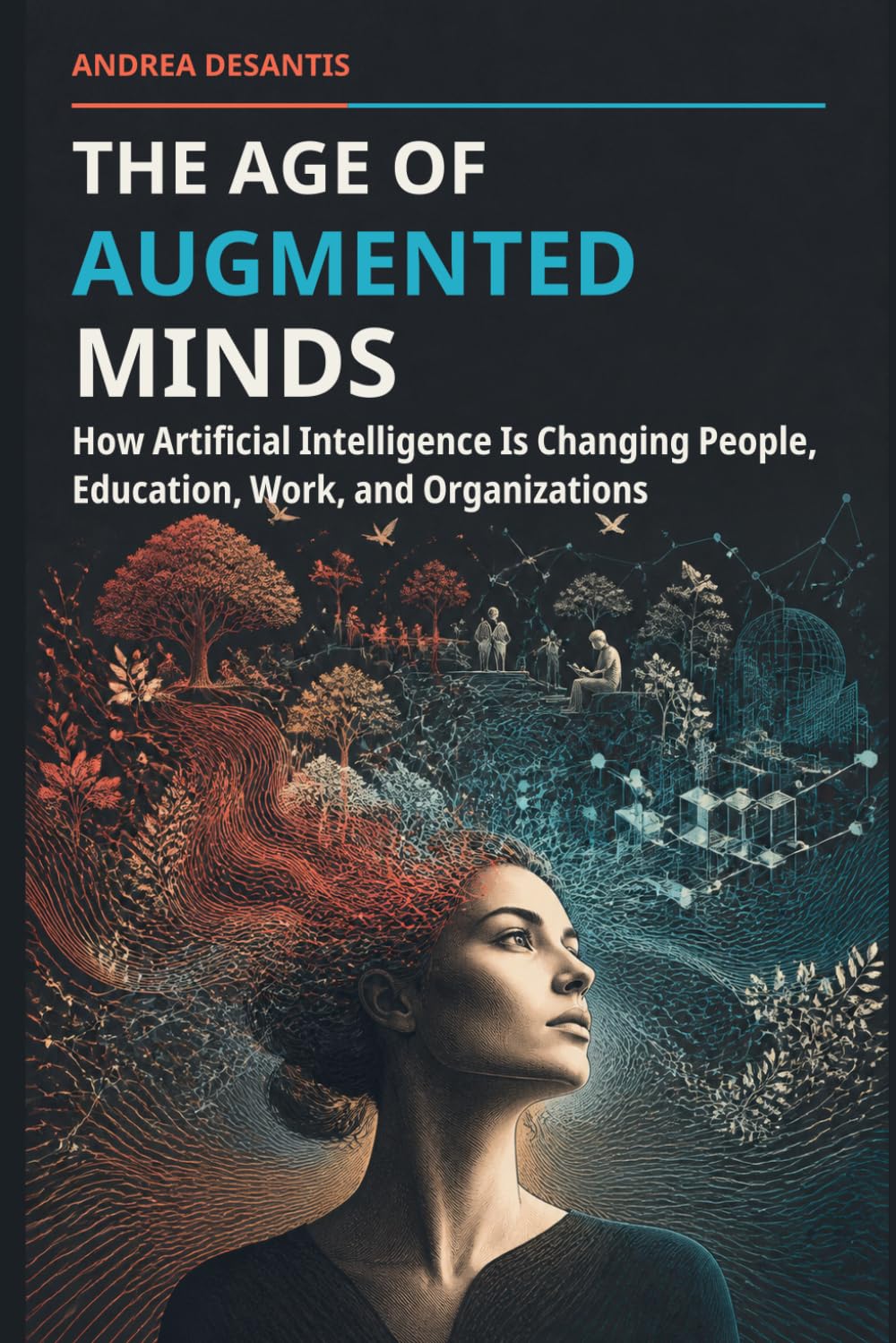
Cover of The Age of Augmented Minds, English edition.

New publication · 2026

The Age of Augmented Minds

How Artificial Intelligence Is Changing People, Education, Work, and Organizations

Andrea DeSantis

Italian · 318 pages · ISBN 979-8192549353 English · 302 pages · ISBN 979-8194474257

Artificial intelligence is not only making familiar activities faster. It is extending what people can understand, imagine, and accomplish, while many organizations still operate through models designed for the past.

The book follows this transformation across education, work, companies, and generations. It is not a manual tied to the latest tool. It offers a perspective grounded in research and authoritative sources to recognize the opportunities, risks, and choices already entering everyday life.

People and AIHow individual abilities, identity, and possibilities are changing.
Education and generationsThe role of learning in a society of augmented minds.
Work and organizationsWhy structures and operating models must evolve alongside people.

“The future will depend not only on the power of AI, but on what people will be able to become together with AI.”
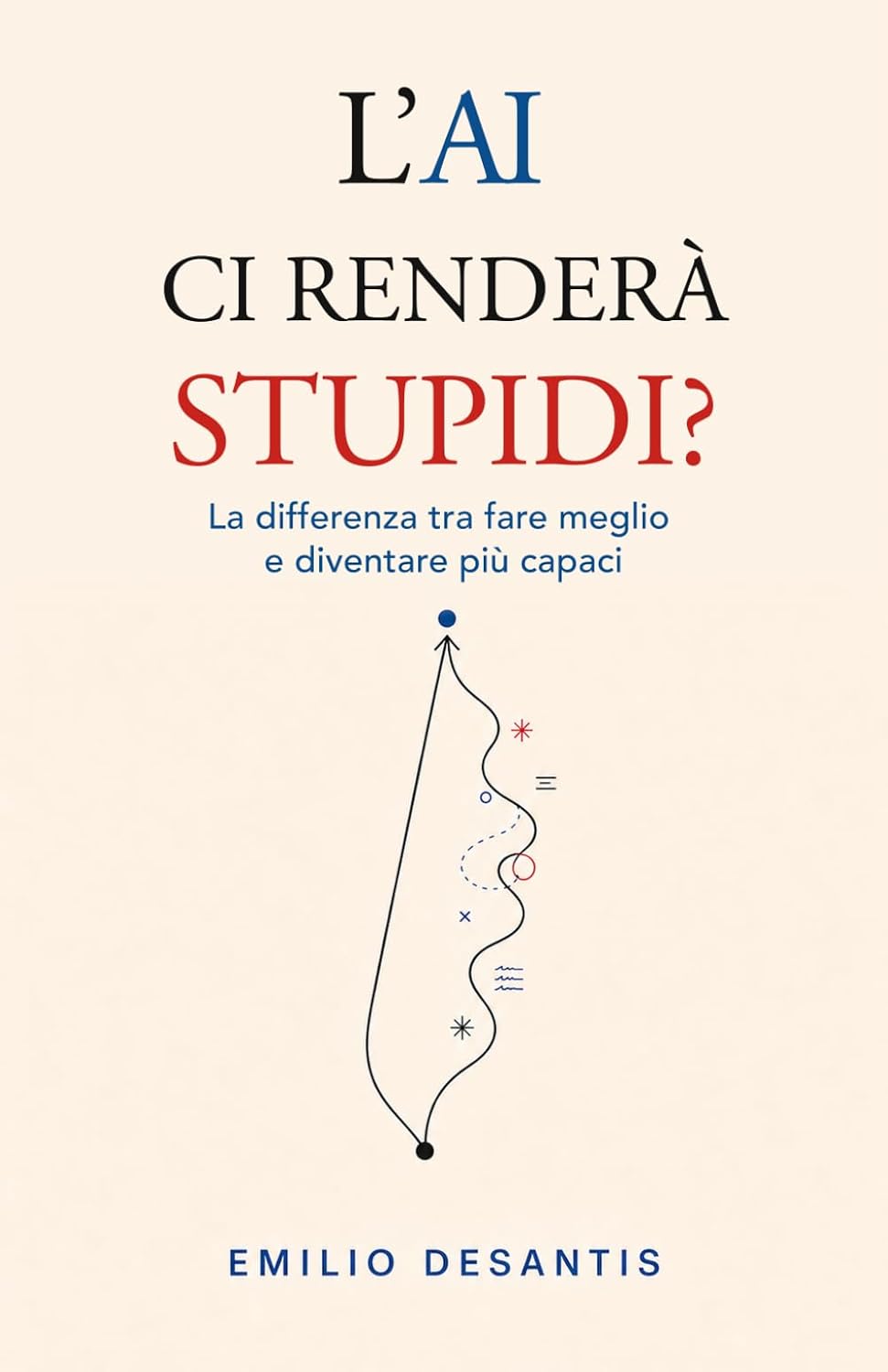
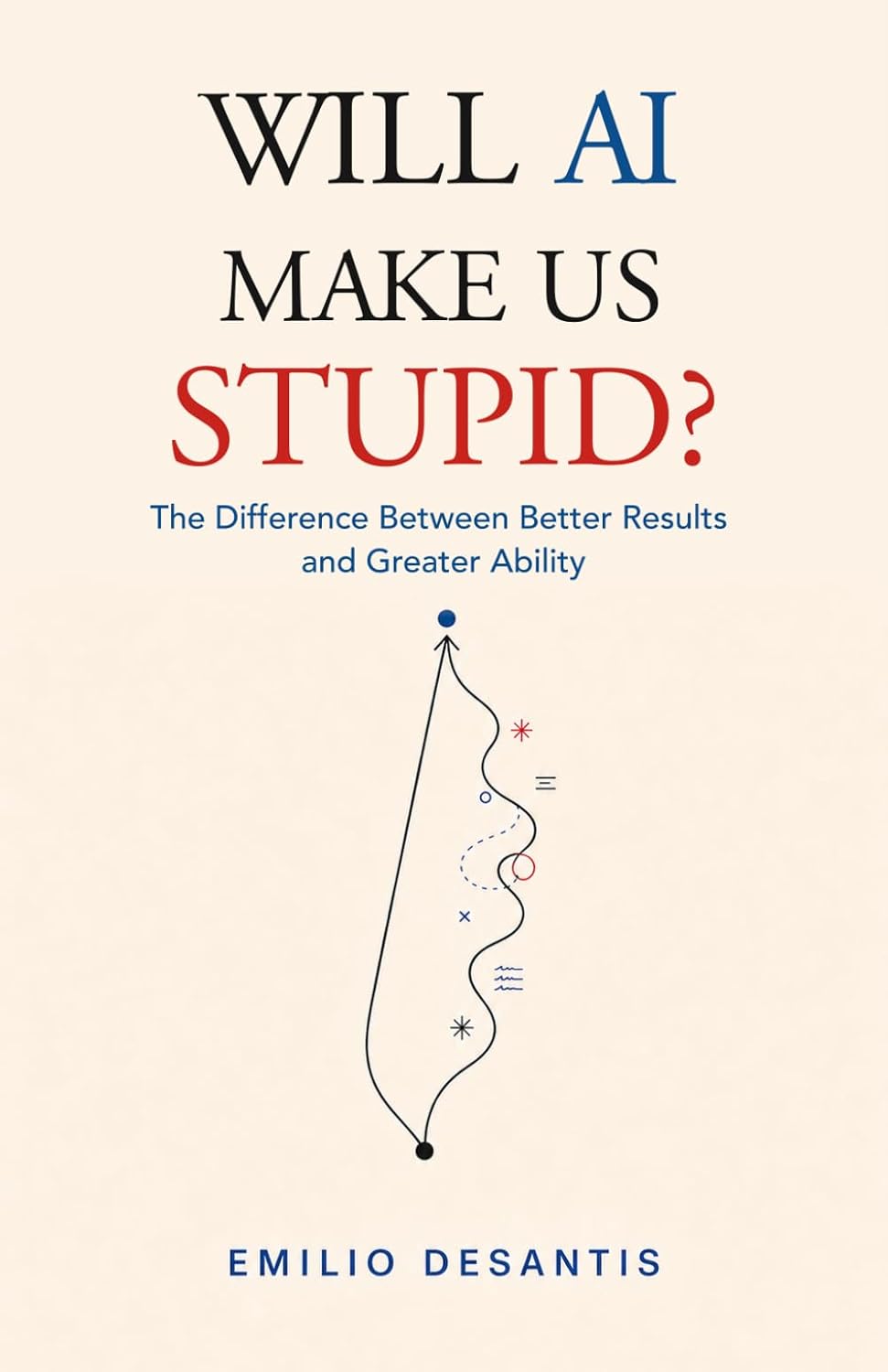
Cover of L’AI ci renderà stupidi?, Italian edition.
Cover of Will AI Make Us Stupid?, English edition.

New publication · 2026

Will AI Make Us Stupid?

The Difference Between Better Results and Greater Ability

Emilio Desantis

Italian · 212 pages · ISBN 979-8193525103 English · 202 pages · ISBN 979-8175004046

AI can help us produce better results more quickly, but that does not necessarily make us more capable. Much depends on how we choose to use it: to delegate understanding and judgment, or to expand curiosity, learning, and the quality of our thinking.

The book focuses on a practical criterion: evaluating not only the quality of the outcome produced with AI, but also the capabilities its use develops or weakens over time. It offers an accessible perspective for recognizing the habits that preserve autonomy and skills as artificial intelligence becomes part of everyday activities.

Thinking and autonomyHow to use AI without giving up understanding and judgment.
LearningThe role of AI in education, family life, and continuous development.
Skills over timeHow to recognize what everyday AI use strengthens or weakens.

Using AI well means improving outcomes without giving up understanding, judgment, and capability.

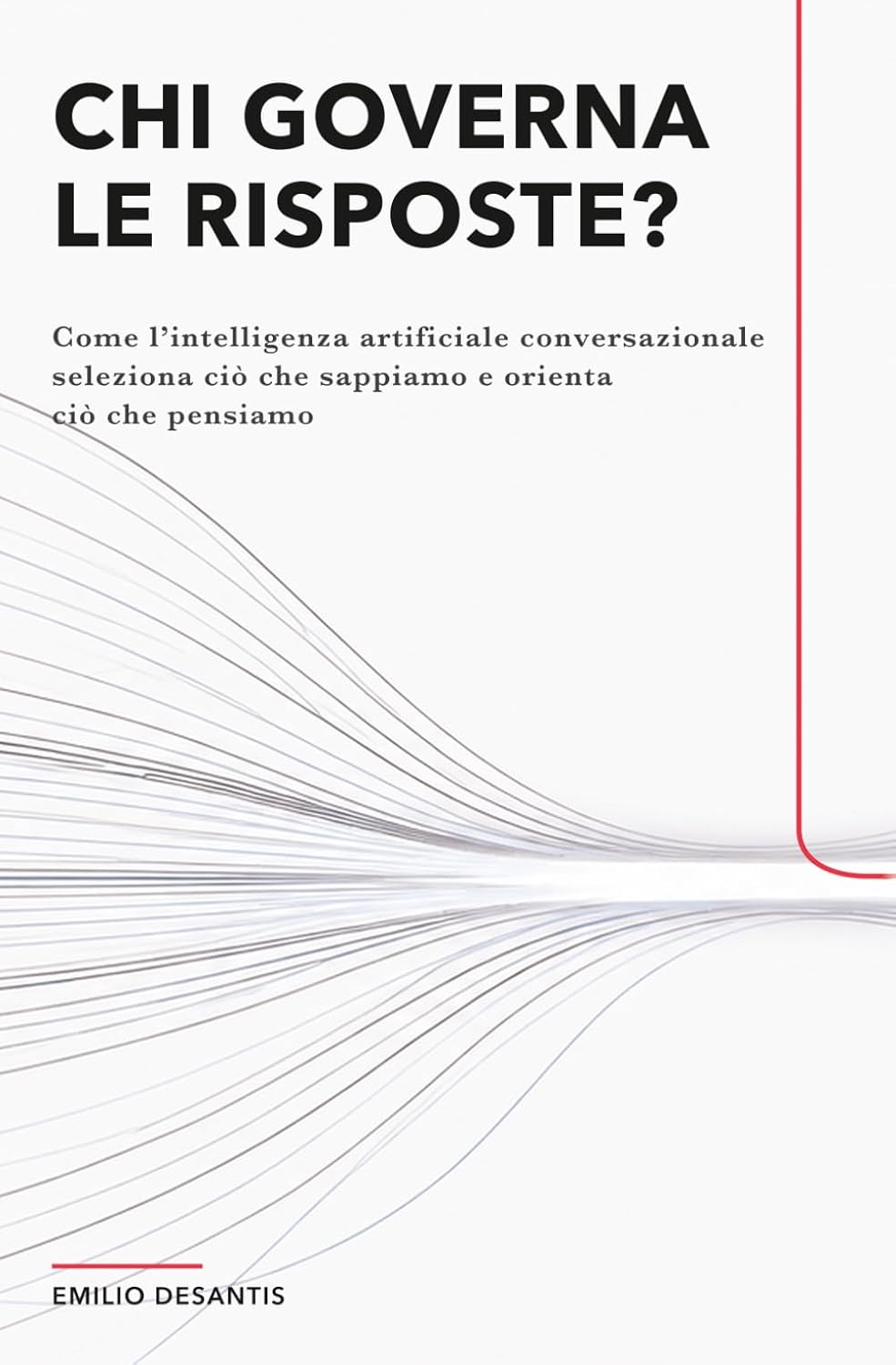
Cover of Chi governa le risposte?, Italian edition.

New publication · 2026

Chi governa le risposte?

How conversational artificial intelligence selects what we know and shapes what we think

Emilio Desantis

Italian 162 pages ISBN 979-8193486541

When we ask AI to explain a news story, compare alternatives, or verify a statement, we see a single answer. The excluded sources, instructions, memory, and design choices that helped shape it remain out of sight.

The book offers an accessible analysis of the power of conversational answers, distinguishes error from manipulation, and connects real cases, persuasion, and European rules. It also proposes seven practical safeguards to keep these systems identifiable, verifiable, and open to challenge.

The power of answersHow the selection and presentation of information can shape what we think.
Transparency and sourcesWhy understanding where an answer comes from is part of its quality.
Safeguards and rulesSeven practical principles for verifiable and contestable AI.

A trustworthy answer should be understandable, verifiable, and open to challenge when necessary.

From the authors

Different experiences, with the same attention to AI’s consequences.

Andrea DeSantis

He has worked in information technology, cybersecurity, artificial intelligence, and digital transformation for more than thirty years. His experience spans Europe, the Middle East, Africa, and Asia. Today he supports executives and organizations through AI transformation and governance while also teaching and writing about these topics.

Emilio Desantis

Emilio Desantis combines a legal education with professional experience gained in international contexts. He works across artificial intelligence, education, and organizational transformation, exploring AI’s impact on learning, autonomy, decision quality, and access to information. His approach combines a technological perspective, attention to rules, and the responsible use of AI.

Would you like to discuss one of the themes explored in the books?

We can connect the editorial perspective with a practical path for AI strategy, adoption, training, governance, or application delivery.